2026 Expectations in the Unclaimed Property World

2026 Summary

As we transition into 2026, state-level enforcement of Unclaimed Property (UP) laws has reached a critical point. Following the aggressive expansion of auditing efforts in late 2025, the regulatory environment is characterized by increased specialization, third-party oversight, and a “no-exit” approach to voluntary compliance. Organizations must prioritize the formalization of their internal procedures to mitigate significant financial and legal exposure.


I. Enforcement Trends & Market Landscape

The landscape of unclaimed property is no longer a secondary administrative concern; it has become a “state compliance battleground.”

  • Sustained Enforcement Growth: The momentum gained in the second half of 2025 will carry through 2026 and beyond. States are no longer just looking for major corporations but are increasingly specialized in targeting middle-market organizations across all sectors.
  • Third-Party Auditor Integration: Enforcement efforts are frequently outsourced to third-party auditing firms. These firms often operate on a contingency basis, providing a strong financial incentive to conduct deep, multi-year investigations into a Holder’s historical records.
  • Data-Driven Targeting: States are utilizing more sophisticated data-sharing techniques between tax authorities and state controllers to identify non-filers or organizations with inconsistent reporting histories.

II. Audit Specifics & Operational Requirements

The rise in state-mandated compliance reviews and self-audits places a heavy administrative burden on internal IT and accounting teams.

  • The Self-Audit Rise: “Invitations” to participate in self-audits are becoming more common. While they appear less confrontational than a full audit, they are legally significant.
  • Strict Compliance Windows: Organizations typically have a narrow window (usually 90 to 180 days) to complete a self-audit. Failure to respond or provide a sufficient review can immediately trigger a full, involuntary third-party audit.
  • Policies & Procedures Mandate: Auditors now routinely demand a written copy of the Holder’s Unclaimed Property Policies & Procedures. This document must detail how the organization identifies, tracks, and remits property, as well as its “Due Diligence” mailing protocols.

III. Voluntary Compliance Programs (VCP)

VCPs offer a pathway to mitigate penalties, but they come with permanent commitments.

  • Increased Outreach: Throughout 2026, states will expand outreach for Voluntary Compliance Programs (VCPs). These programs often offer the benefit of waiving interest and penalties for past-due property.
  • No Release Provision: It is critical to understand that once a Holder is successfully entered into a VCP, there is no release from the process. Organizations must see the process through to completion, which often involves a 10-year lookback period and mandatory staff training.

For further information regarding reports or unclaimed property compliance issues, please contact the professionals at PEACC by calling 410.303.5510 or email us at info@peacc.com

Call PEACC for Compliance
Call PEACC for Compliance 410.303.5510

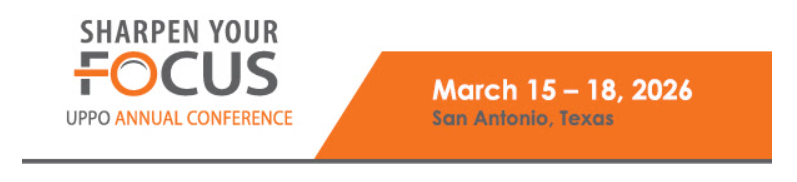
2026 Annual UPPO Conference Highlights

  • More than 40 educational sessions spanning four educational tracks (basic, intermediate, advanced, and special focus).
  • Social events/outings, meals and breaks designed to help attendees connect.
  • Opportunities to meet with presenters/exhibitors throughout the conference to learn about the services that can help your company’s unclaimed property program.
  • Industry-specific breakout sessions that feature updates about hot topics plus Q&A with the presenters and other attendees.
  • Register by Jan. 15, 2026, for the special, early-bird rate.

“In my thirty years of consulting, I’ve learned that the unclaimed property landscape is constantly shifting, and this conference is the one place where you can actually get ahead of the curve rather than just reacting to it. It’s not just about the sessions it’s about the information you get from the Q&A and the industry breakouts. I’ve found that the ‘hallway consulting’ during meals and the connections made with exhibitors are often just as valuable as the lectures; finding one right vendor or hearing one peer’s strategy for an audit can save your company significantly more than the cost of the trip. If you are serious about mitigating risk and running a defensible escheat program, you need to be in the room, and locking in that early-bird rate by January 15, 2026, is just smart business.” D. Patrick Healy

Questions? Contact UPPO.org at 763-253-4340 or visit uppo.uppo@org for further information.

Note: This is the same Unclaimed Property Conference at UPPO Conference 2025.

A Successful Unclaimed Property Reporting Process

A successful unclaimed property reporting process includes these important steps:

– Identify all unclaimed intangible property.
– Determine which State the property is reportable to.
– Calculate the proper dormancy period for each property type.
– Review for any property that may be exempt under current State law.
– Perform all State required Due Diligence/Search Letter functions.
– Review, generate & submit State reports & the remittance in the required formats and timeframes.
– Update/document all records related to property reported.

For further clarification on the State unclaimed property reporting process please reach out to a professional at PEACC.com by calling 410.303.5510 or email us at info@peacc.com

PEACC.com New To State Unclaimed Property Reporting Requirements?

Who Is Required To Report Unclaimed Property?

1) Corporations –
Retail
Manufacturing
Service/Hospitality Industry
Others (Utilities, Gov’t Jurisdictions,
Colleges/Universities, Hospitals, etc.)

2) Banks & Financial Institutions

3) Insurance –
Life Insurance
Non-Life Insurance

Read more

What Are the Holder/Companies Beliefs When it Comes to Unclaimed Property Reporting?

Whenever you inquire about Holder and their unclaimed property reporting, their responses are normally:
– We don’t have any unclaimed property to report or remit.
– We already file our unclaimed property reports, but they are normally negative/zero reports (reports showing nothing to report).
– Our outstanding checks list have been reviewed and none of them reflect any outstanding checks.
– Any small dollar amount outstanding checks (ie. < $5.00) are written off.

Any of these myths can increase your risk of an unclaimed property audit.

For further clarification on any unclaimed property compliance issues, please reach out to a professional at PEACC.com at 410.303.5510 or email us at info@peacc.com

Call PEACC for Compliance
Call PEACC for Compliance 410.303.5510

Delaware Voluntary Disclosure Agreement

Delaware Voluntary Disclosure Agreement (VDA) Process: A Step-by-Step Guide

The Delaware Voluntary Disclosure Agreement program offers businesses a smoother path to compliance with unclaimed property laws. This blog outlines the key steps involved:

I. Enrollment

  • Sign and submit Form VDA-1: This initiates the program and signifies your intent to comply.

II. Information Gathering

  • Compile details about your company:
    • History
    • Entities included in the VDA
    • Mergers and acquisitions
    • Reporting history
    • Records availability
    • Property types you’ll report (e.g., payroll, accounts payable/receivable, refunds)

III. Scoping Your VDA

  • Define the scope for each entity:
    • Identify property types included
    • Assess record availability (trial balances, bank reconciliations, check lists, A/R aging reports)
    • Determine the look-back period (ideally to 1996)
    • Address lack of records (estimation methods)

IV. Detailed Records Review

  • Conduct a thorough review of each property type for each entity.
  • Utilize estimations when records are unavailable.

V. Submitting Findings to Delaware

  • Present a draft report to the Delaware Department of State.
  • Be prepared for potential sampling to verify your results.

VI. Settlement and Payment

  • Upon Delaware’s approval:
    • Complete and submit Form VDA-2.
    • Make a remittance payment for identified unclaimed property.

VII. Addressing Other States

  • Once the Delaware VDA is finalized, determine any potential exposure for unclaimed property in other applicable states.

By following these steps, you can navigate the Delaware VDA process efficiently and ensure compliance with unclaimed property regulations.

For further information and questions regarding compliance with these state unclaimed property laws, please contact a professional at PEACC.com at 410.303.5510, or email us at info@peacc.com.


PEACC.com

How Can A Company/Holder Be Reporting Their Unclaimed Property And Still Be Non-Compliant?

*  By reporting with incorrect dormancy periods or cut off dates.
*  Have a lapse(s) in the reporting periods/history.
*  By applying the wrong aggregate amount.
*  Simply reporting all property to only one State / State of Incorporation.
*  By misunderstanding the rules of customer generated contact / indication of Owner interest.
*  By not performing all State required Due Diligence / Search Letter specifics within the applicable time periods.
*  By not reporting property below a certain dollar amount.
*  By failing to report all eligible property / under reporting.
*  Submitting the report in the incorrect format.

For further information and assistance on how to stay compliant with the State specifics, please reach out to a professional at PEACC.com by calling us at 410.303.5510 or through email info@peacc.com

Call PEACC for Compliance
Call PEACC for Compliance 410.303.5510

Reviewed Your UP Policies & Procedures Recently?

Do you have internal unclaimed property policies & procedures currently in place? Is everyone at your organization on board with them and abiding to them?

If the answer to these questions are Yes, it is still advised by the States and all major Unclaimed Property Organizations (UPHLC, NAST, UPPO, etc.) that Holders should perform a review of them every 3 to 5 years. To ensure total compliance with all the State laws and regulations, yearly audits are often suggested. These State laws and requirements may change without much notice. The States put the burden of keeping track of any law changes on the Holders/Companies.

If you’re short staffed, confused or just don’t feel like performing a review of your unclaimed property Policies & Procedures, let PEACC help with it. PEACC has proven time & time again they can save you money from any non-compliance or under reporting liabilities (or over reporting) with their proven review and modifications methods.

Still questioning their review and process? Let PEACC review one or two of your recent State Unclaimed Property Reports for free. We will show you what compliance is required among the States.

Sleep better at night knowing all your yearly efforts comply with all the State compliance requirements and expectations. Don’t leave your door open to ongoing compliance issues. Be safe with PEACC’s Compliance Reviews. You could even be over reporting or underreporting. But you may never know unless PEACC conducts one of their thorough compliance reviews.

Don’t wait! There is no better time than now to have your Unclaimed Property Policies & Procedures reviewed. Get past reporting history reviewed prior to having a State contact you. This could lead to an added expense to your bottom line. As mentioned, it is recommended by the unclaimed property authorities to conduct a review of you’re past reporting history along with your Policies & Procedures every 2 to 3 years. But don’t fret, let PEACC do the work. You’ll be surprised at the results.

Please reach out to PEACC by calling 410.303.5510 or email us at info@peacc.com for further information or to commence with your FREE review. Only positive results.

Call PEACC for Compliance
Call PEACC for Compliance 410.303.5510

Your Total Source for Unclaimed Property Compliance

Get in touch with us!